Does a New Roof or Solar Panels Really Increase Home Value
Does a New Roof or Solar Panels Really Increase Home Value in 2026?
Reading time: 9 minutes
You’re staring at a quote for a new roof—$18,000—or a solar installation proposal promising $150 monthly savings. Your gut question: “Will I actually get this money back when I sell?” It’s the right question, and the answer is more nuanced than any contractor’s sales pitch will admit.
Table of Contents
- The Real Numbers Behind Roof and Solar ROI
- Roofing: What Actually Moves the Needle
- Solar Panels: Value Driver or Value Trap?
- Comparing the Two Investments Side-by-Side
- Common Challenges Homeowners Face
- Your Roadmap Forward
- FAQs
The Real Numbers Behind Roof and Solar ROI
Let’s cut through the noise. According to the 2026 Remodeling Impact Report data trends, a new asphalt shingle roof recoups roughly 60-68% of its cost at resale, while a mid-range solar installation recovers closer to 60-75%, depending on regional energy prices and buyer demand. Neither is a guaranteed profit machine—but both can be the difference between a house that lingers on the market and one that sells in days.
Here’s the straight talk: these projects aren’t primarily about flipping a profit. They’re about removing friction from a sale. Buyers in 2026 are more risk-averse than ever, especially with mortgage rates still hovering in the 6.5-7% range. A 20-year-old roof or a $400 monthly electric bill can scare off a buyer before they even finish the walkthrough.
Why Appraisers Still Struggle to Value These Upgrades
One frustrating reality: most appraisal models are built around comparable sales, not itemized upgrades. An appraiser in Phoenix or Tampa might add a specific dollar figure for solar, while an appraiser in a market with less solar penetration may barely adjust the value at all. This inconsistency is exactly why homeowners get mixed signals from real estate agents versus lenders.
The Psychological Premium Buyers Pay
Beyond hard appraisal numbers, there’s a psychological premium. A 2025 survey of over 3,000 home shoppers found that 79% said they’d pay more for a home with a roof under five years old, and 64% said solar panels made a listing “significantly more attractive,” even when they weren’t sure of the exact savings. Perception drives offers just as much as spreadsheets do.
Roofing: What Actually Moves the Needle
Not all roof replacements are created equal. Here’s what genuinely impacts resale value:
- Material matters more than you think: Standing-seam metal roofs now recoup closer to 70% of cost in cold climates, while architectural asphalt shingles remain the safest bet nationally.
- Color and curb appeal: Neutral tones (charcoal, weathered wood) consistently outperform bold colors in buyer surveys.
- Documentation is non-negotiable: A transferable warranty and permit paperwork can add real negotiating leverage.
Take the case of a seller in Columbus, Ohio, in late 2025. Her 22-year-old roof was showing granule loss and two soft spots. Instead of dropping the price by $15,000 as her agent initially suggested, she spent $11,400 on a new architectural shingle roof with a transferable 30-year warranty. The home sold for $9,000 over asking within 11 days—buyers specifically cited “zero deferred maintenance” as their reason for competing.
Solar Panels: Value Driver or Value Trap?
Solar is where things get genuinely complicated, and I want to be balanced here because the industry oversells this constantly.
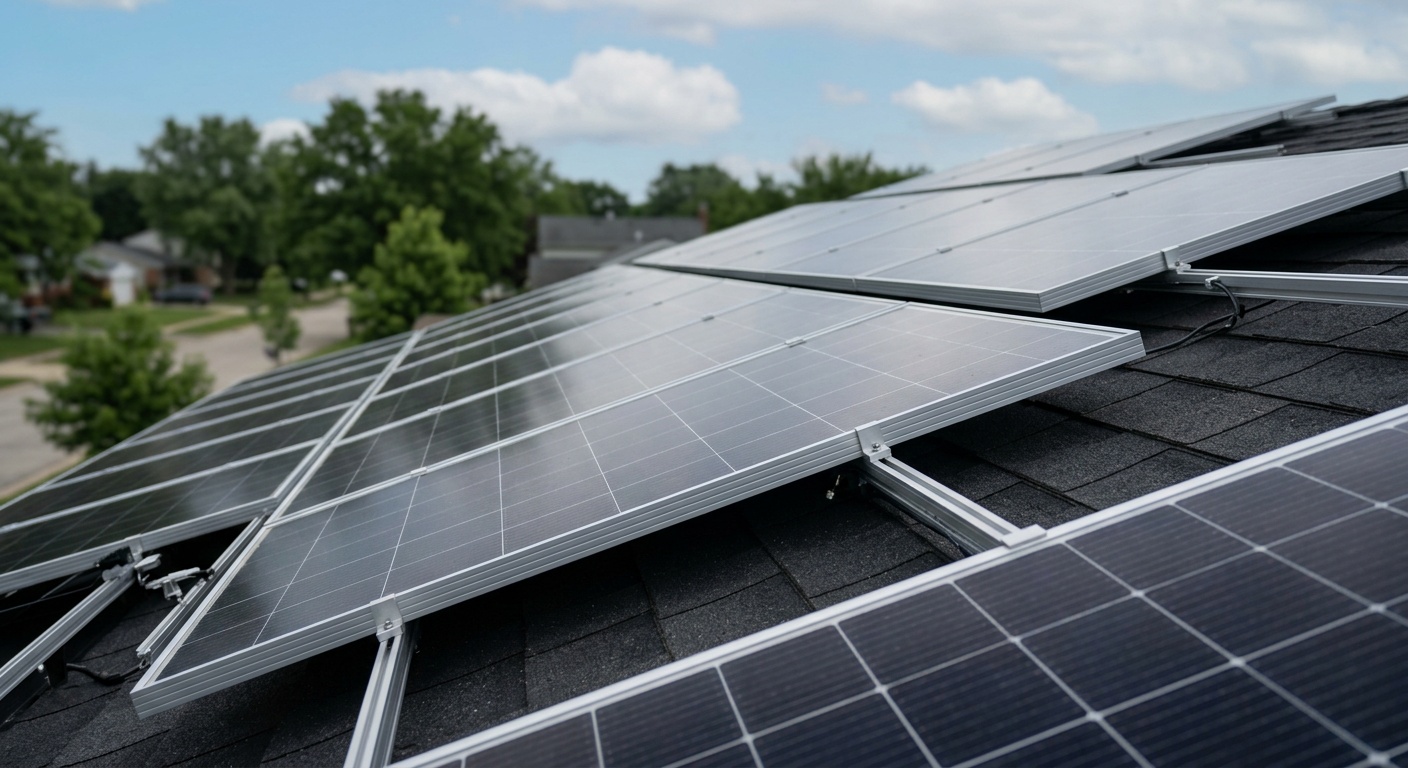
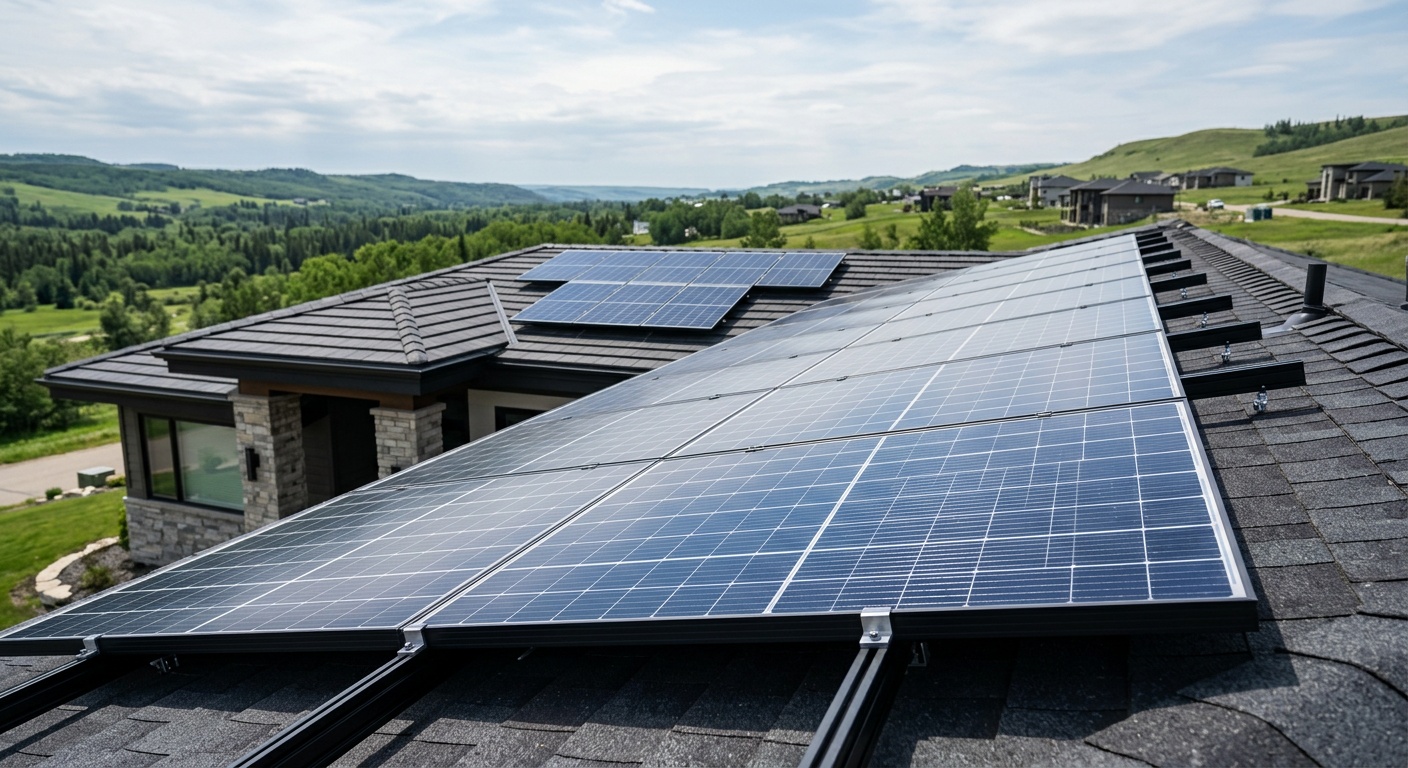
Owned systems tend to add value. Zillow’s research (still frequently cited into 2026 analyses) found homes with owned solar sold for about 4.1% more on average than comparable homes without it. That’s a meaningful premium in a $420,000 median-priced home—over $17,000.
Leased systems or those with a Power Purchase Agreement (PPA) are a different story entirely. These can actually complicate or kill a sale. Buyers must qualify to assume the lease, title companies get nervous about liens, and some deals fall apart over paperwork alone. A real estate attorney in Sacramento told me last year, “I’ve seen more closings delayed by solar lease transfers than by any other single line item in the last three years.”
A Quick Case Study: Leased Panels Gone Wrong
A homeowner in Las Vegas listed her house in early 2025 with 22 leased solar panels, $110/month payment, 14 years remaining on the contract. Two buyers walked away after their lenders flagged the lease as an encumbrance affecting debt-to-income calculations. She eventually had to negotiate a $6,200 buyout of the lease just to close the sale—money she never anticipated spending.
Comparing the Two Investments Side-by-Side
| Metric | New Roof | Owned Solar |
|---|---|---|
| Average Cost (2026) | $12,000–$22,000 | $18,000–$28,000 |
| Average ROI at Resale | 60–68% | 60–75% |
| Time to Break Even | At time of sale | 7–10 years via savings |
| Buyer Financing Complications | Rare | Common if leased |
| Regional Value Sensitivity | Low | High |
Visualizing the Resale Recovery Rate
Common Challenges Homeowners Face
Let’s address the three snags that trip up almost everyone considering these upgrades.
Challenge 1: Timing the investment wrong. Replacing a roof that still has 8 good years left rarely pays off. Instead, get a professional inspection and only replace if you’re within 2-3 years of the material’s realistic lifespan, or if you’re actively listing within the next 12 months.
Challenge 2: Choosing the wrong solar financing structure. If you’re staying put for 10+ years, ownership (cash or loan) almost always wins. If you might move within 5 years, think twice—or avoid leases entirely and consider a home equity loan instead so the asset is unencumbered.
Challenge 3: Under-communicating value to buyers. Sellers frequently fail to provide energy bill comparisons, warranty documents, or permit records. A simple “before and after” utility bill packet can be the single most persuasive document in your listing folder.
Your Roadmap Forward
So, should you pull the trigger on a new roof or solar panels? Here’s your practical checklist for 2026 decision-making:
- Step 1: Get a roof inspection first—don’t guess at remaining lifespan. A $150 inspection can save you from a $15,000 mistake.
- Step 2: If considering solar, prioritize ownership or a loan over a lease or PPA, especially if resale is on your 5-year horizon.
- Step 3: Request a local comparative market analysis from an agent who can show how similar upgraded homes performed in your specific zip code.
- Step 4: Keep every warranty, permit, and utility bill document organized—buyers pay for confidence, not just hardware.
- Step 5: If you’re not selling soon, weigh the investment against your actual utility savings and comfort, not just resale hype.
The bigger trend here is unmistakable: as energy costs climb and climate-driven roof damage becomes more frequent, buyers are increasingly treating “home infrastructure health” the way they once treated kitchen renovations. This shift isn’t slowing down—it’s accelerating into 2027 and beyond.
So, what’s your next move? Are you upgrading to sell within the year, or investing in a home you plan to enjoy for a decade? Your answer should shape every decision from material choice to financing structure—choose deliberately, not reactively.
FAQs
Will a new roof guarantee a higher sale price?
No single upgrade guarantees a higher price, but a new roof removes a major objection buyers and their inspectors will raise. It typically speeds up the sale and prevents price negotiations tied to roof condition, even if it doesn’t add a dollar-for-dollar premium.
Are solar panels worth it if I plan to move in three years?
Generally, no—unless the system is owned outright and priced competitively. Leased systems and PPAs often complicate closings and can deter buyers or lenders, so short-term owners should weigh utility savings against potential resale friction carefully.
How do I know if my roof or solar system is actually adding value?
Ask a local real estate agent for comparable sales data on homes with similar upgrades in your area within the past six months. Combine that with an appraiser’s perspective, since regional appraisal practices for solar and roofing vary significantly across markets.